 B & G Cooperage
Production of oak and acacia barrels – the art of cooperage
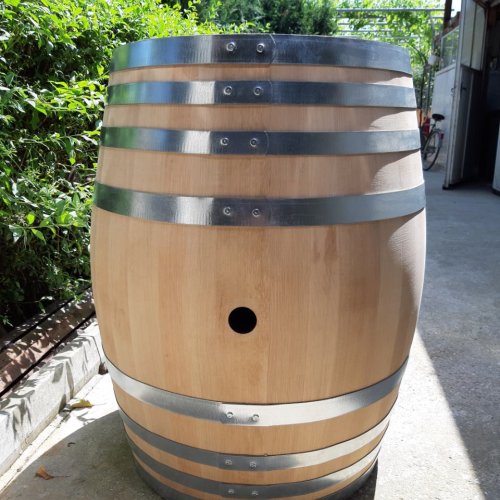
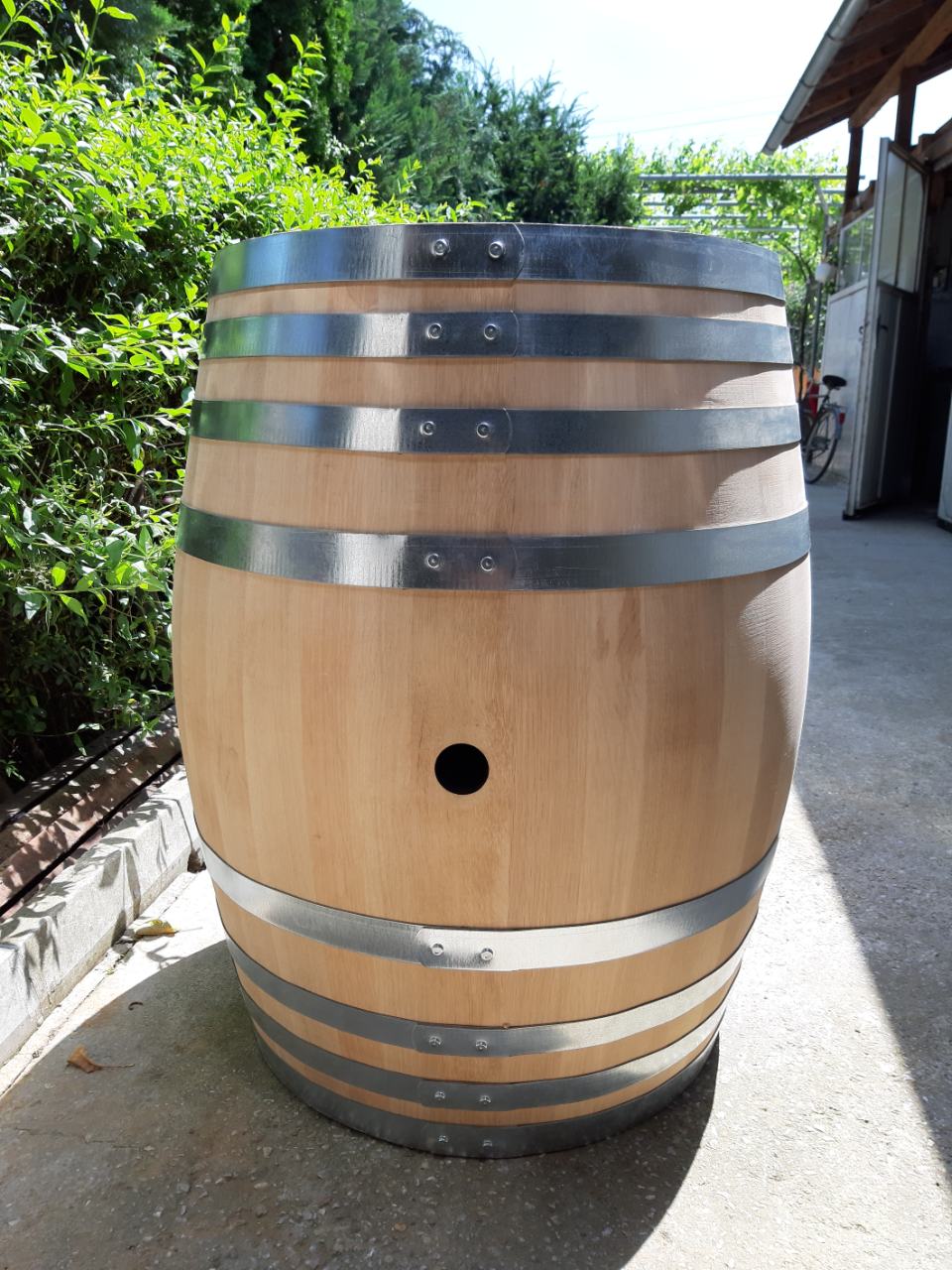
The making of oak and acacia barrels is a craft that combines traditions, knowledge of wood and precise manual work. These barrels are indispensable for aging wines, brandies, whiskeys and other beverages, giving them a unique taste and aroma. And they are increasingly finding their place in interior design.
1. Selection and preparation of wood
Production begins with careful selection of high-quality wood. Oak barrels are most often made from:
- French oak (Quercus robur)
- American white oak (Quercus alba)
- Hungarian and Bulgarian oak
Acacia barrels (from Robinia pseudoacacia) are rarer, but preferred for white wines due to the fresh and floral profile they impart.
After harvesting, the wood undergoes natural drying in the open air for 24–36 months. This process extracts unwanted tannins and stabilizes the wood's structure.
2. Cutting and forming the arches
The arches are the main elements of the barrel. They are cut in a special shape and prepared so that they can be assembled without glue or screws – only by the tension of the wood.
3. Assembly and toasting (charring)
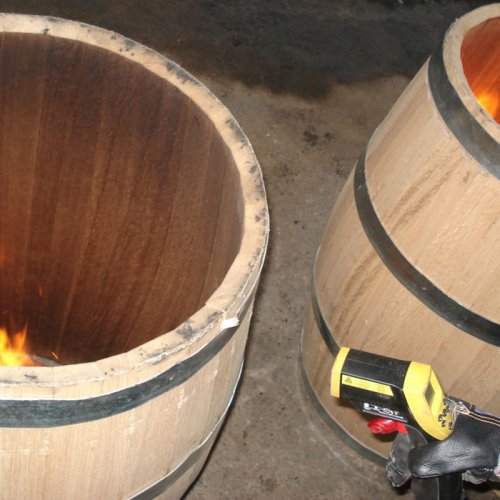
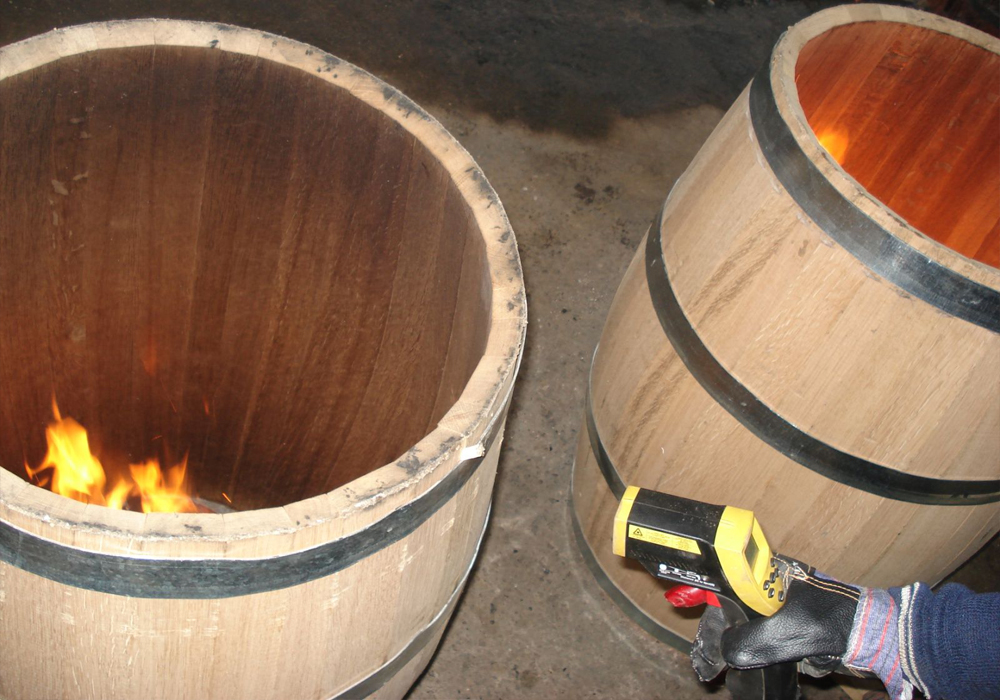
During assembly, the arcs are arranged in a circular shape and heated over an open flame. This:
- softens the wood for bending
- caramelizes the interior – an important process for aroma
There are different degrees of toasting:
- Light Toast – for lighter wines
- Medium Toast – universal profile
- Heavy Toast – for full-bodied wines and spirits
4. Attaching lids and testing for tightness
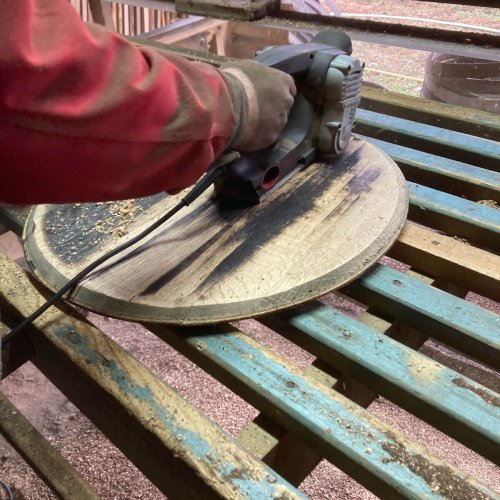
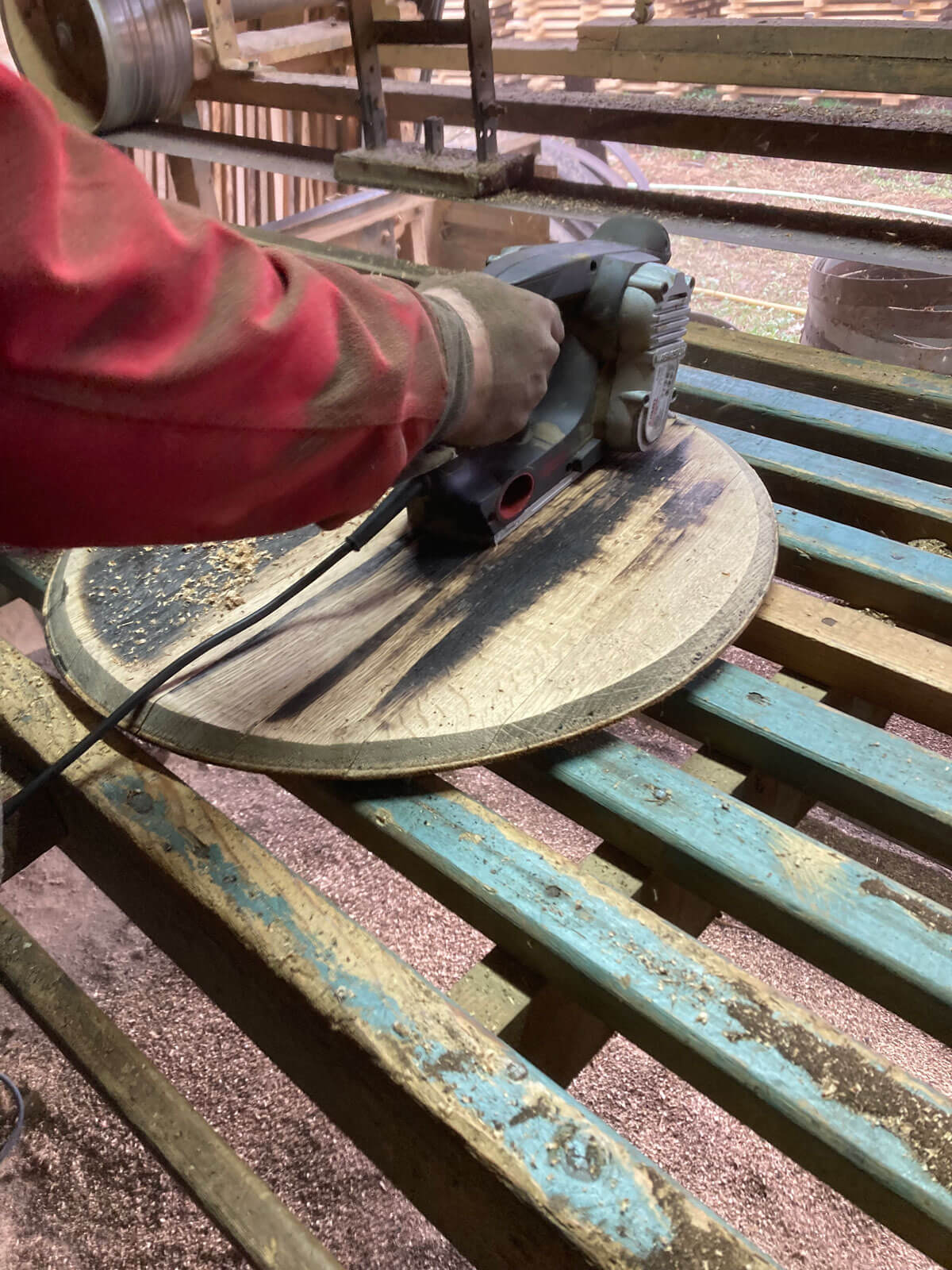
The lids are assembled separately, then mounted to the main structure. The barrels are filled with water or steam to test for leaks. If they are tight – they move on to final grinding and marking.
5. Finishing and Customization
It is possible to add:
- Winemaker or distillery markings
- Laser engraving
- Coatings for decorative purposes
Advantages of oak and acacia barrels
| Oak barrels | Acacia barrels |
|---|---|
| Suitable for red wines, whiskey, brandy | Ideal for white wines and vinegar |
| Add vanilla, spices, toast | Floral and honey profile |
| Higher density and durability | Lighter structure, faster exchange |
Conclusion
Barrel production is a combination of tradition, natural resources and craftsmanship. Whether you are looking for oak wine barrels or acacia brandy barrels, the key is in the quality of the material and professional workmanship.